GLITZCHPhoto Series
20249 works

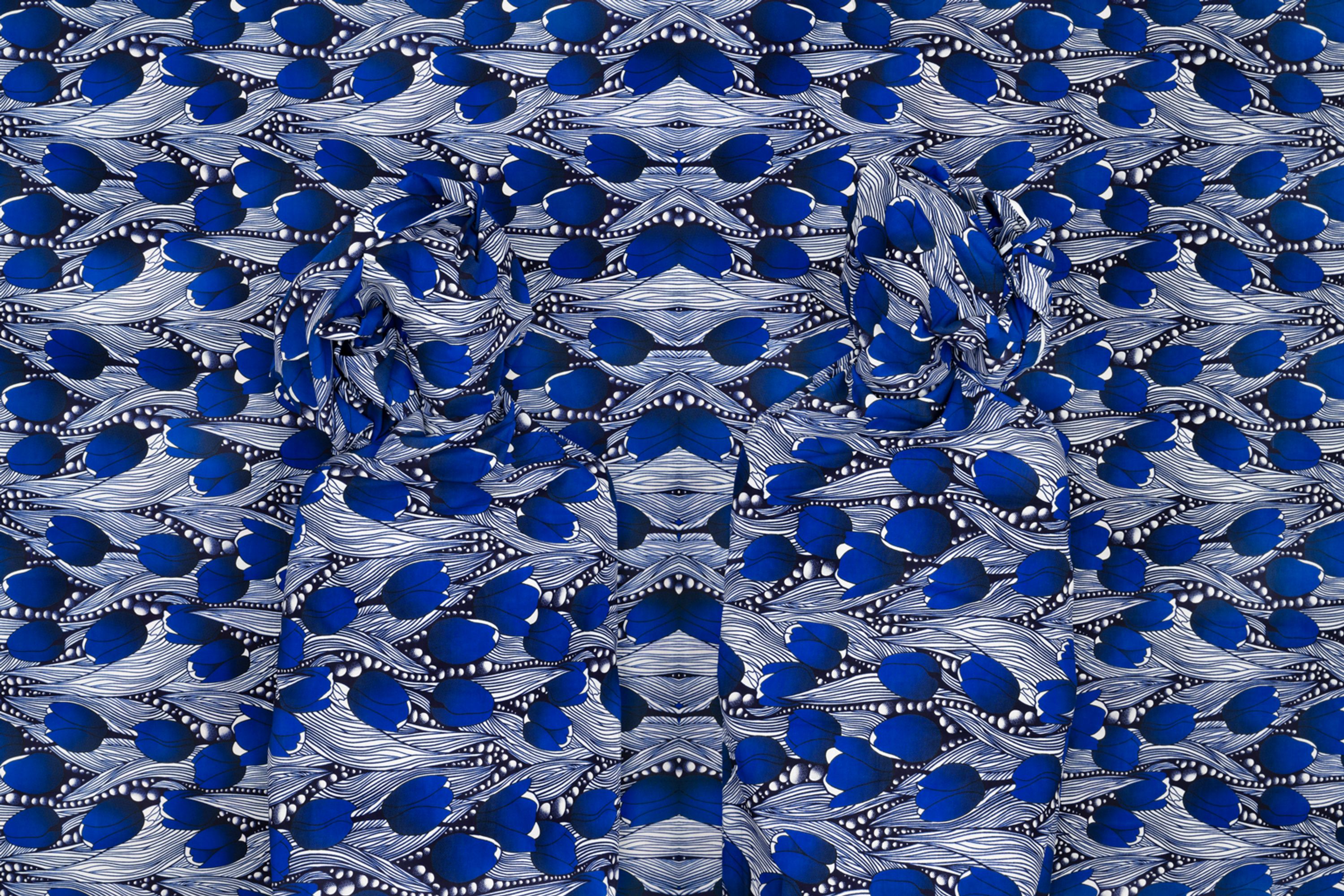
Tandem, 2024
GLITZCH (2025) occupies the threshold between the organic world and the digital realm—between what grows, decays, and regenerates, and what is translated, replicated, and circulated through systems of code and signal. The series brings together forms drawn from nature—shells, flowers, water—with interruptions in print and image. These disruptions are not errors to be corrected, but openings through which meaning shifts.
The term glitch traditionally describes an unexpected surge, a malfunction, or a break in a system. In this series, the altered spelling is deliberate. GLITZCH names not failure, but divergence—a moment when a system destabilizes and new pathways emerge. The glitch becomes a site of possibility rather than conclusion.
The images inhabit two coexisting conditions: the physical world of air, water, texture, and gravity, and the digital world of interfaces, screens, and mediated perception. Pattern presses against the body. Figures emerge, flatten, or dissolve into saturated fields. Skin becomes surface; surface becomes signal. Presence is felt, but never fixed.
Material tension extends beyond the image itself. Each photograph is digitally color-corrected, printed, and then placed within an upholstered frame. The frames are constructed using printed fabrics sourced from Ivory Coast and Senegal, merging organic motifs—fossils, florals, traces of the natural world—with glitch-patterned structures. These textiles wrap the image rather than contain it, extending the visual language outward. Organic references are digitally translated; digital patterns return again as material form.
This oscillation continues. The image moves from physical encounter to digital capture, back to textile and upholstery, and once more into the digital realm through documentation and circulation. On the wall, the works exist as objects—textured, dimensional, present. On the screen, they flatten again into images among images. GLITZCH attends to this condition, where the artwork itself shifts continuously between worlds.
The figures—sometimes referred to as -cludes—are wrapped in layered patterns that interact across surface and frame. Bodies are held and disrupted at once, suspended between organic presence and representational abstraction.
Several works foreground sensorial connection: Echo, the reverberation of sound; Petrichor, the scent of rain on stone; Nautilus, an ancient form associated with spiral growth and proportional harmony. Other titles—Surge, Deluge, Mis-, -hap—move fluidly between natural and digital vocabularies, signaling instability and transition. In Tandem, the largest work in the series, two figures appear together, mirroring one another while remaining distinct. What initially seems like reflection reveals separation. Are these parallel selves, or a single presence translated across realities?
GLITZCH does not attempt to resolve these tensions. It inhabits them. The series reflects a condition already underway—one in which bodies, materials, images, and data continually translate into one another. Here, the organic and the digital do not oppose each other; they oscillate, shaping perception, presence, and the way art exists in the world.